The Volta Clinical Evidence Roadmap

One of the most ambitious clinical programs focused on the underserved complex Atrial Fibrillation (AF) patient
Our Approach
Industry-Leading Research Scope and quality
Published
2017
AF Ablation Guided by Spatiotemporal Electrogram Dispersion Whithout Pulmonary Vein Isolation
2022
Ev-AIFib
Artificial intelligence software standardizes electrogram-based ablation outcome for persistent atrial fibrillation
2025
The Tailored-AF Trial
Multicenter RCT
READ THE CLinical Summary
ACCESS THE FULL STUDY
2026
RESTART Trial
Multicenter Prospective Study for Redo Procedures
ACCESS THE FULL STUDY
Ongoing
Clinical Registry
Multicenter Prospective Study

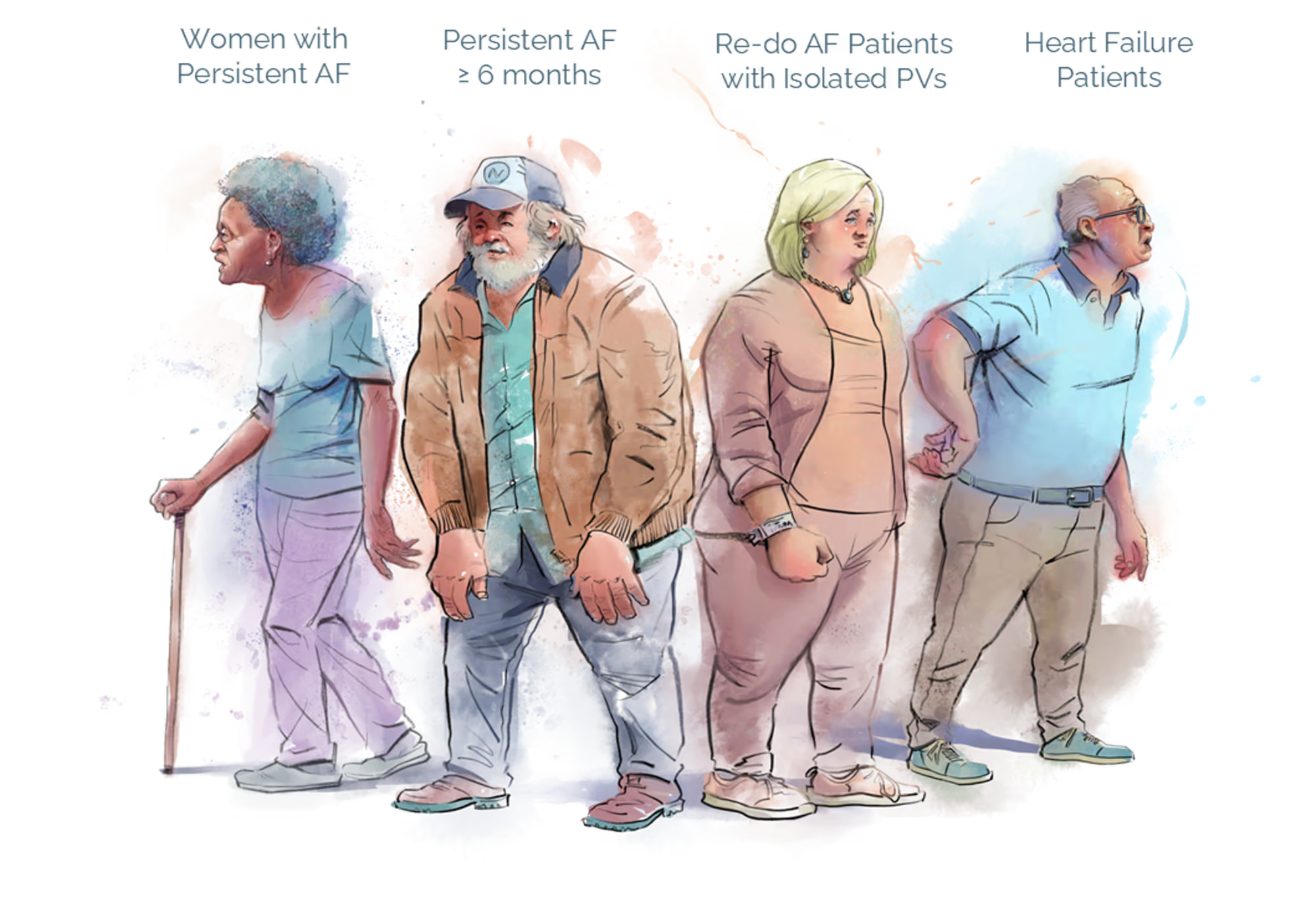
Complex Substrate Patients Represent AF’s Most Underserved Communities

Complex substrate patients represent the most difficult cases across the atrial fibrillation spectrum. Advanced disease, comorbidities, and prior interventions drive extensive structural and electrical remodeling of the heart, leaving many patients with persistent symptoms and limited treatment options.

When conventional approaches fall short, the burden grows for patients, clinicians, and healthcare systems. These patients need innovative solutions that recognize and address their clinical complexity.

Redefining Treatment for Complex AF

Extensive clinical data underscores Volta’s unique capability to address these complex substrate patient populations.
Persistent AF ≥ 6 months

Patients with more progressed AF often present as more complex substrate

  • AF duration ≥6 months is associated with progressive atrial remodeling.
  • Arrhythmogenic drivers extend beyond the pulmonary veins.
  • Substrate progression often becomes biatrial, with right atrial involvement in longer-standing disease.
  • Standard success rates decline significantly as AF duration increases.
TAILORED-AF PUBLICATION
The benefit of a Tailored approach is more pronounced in patients with longer AF duration and avanced atrial remodeling; in whom PVI alone has only poor to moderate success rates.
Access the full publication
Redo Patients with PV Isolated

How do we treat them?  

Redo patients with recurrent AF despite durable PVI remain a clinical challenge.
  • Redo patients often experience multiple hospitalizations, cardioversions and reduced quality of life.
  • There is no consensus strategy for treating this population.
  • Prior trials on different strategies reported arrhythmia-free rates of only 30-50%.
THE RESTART TRIAL
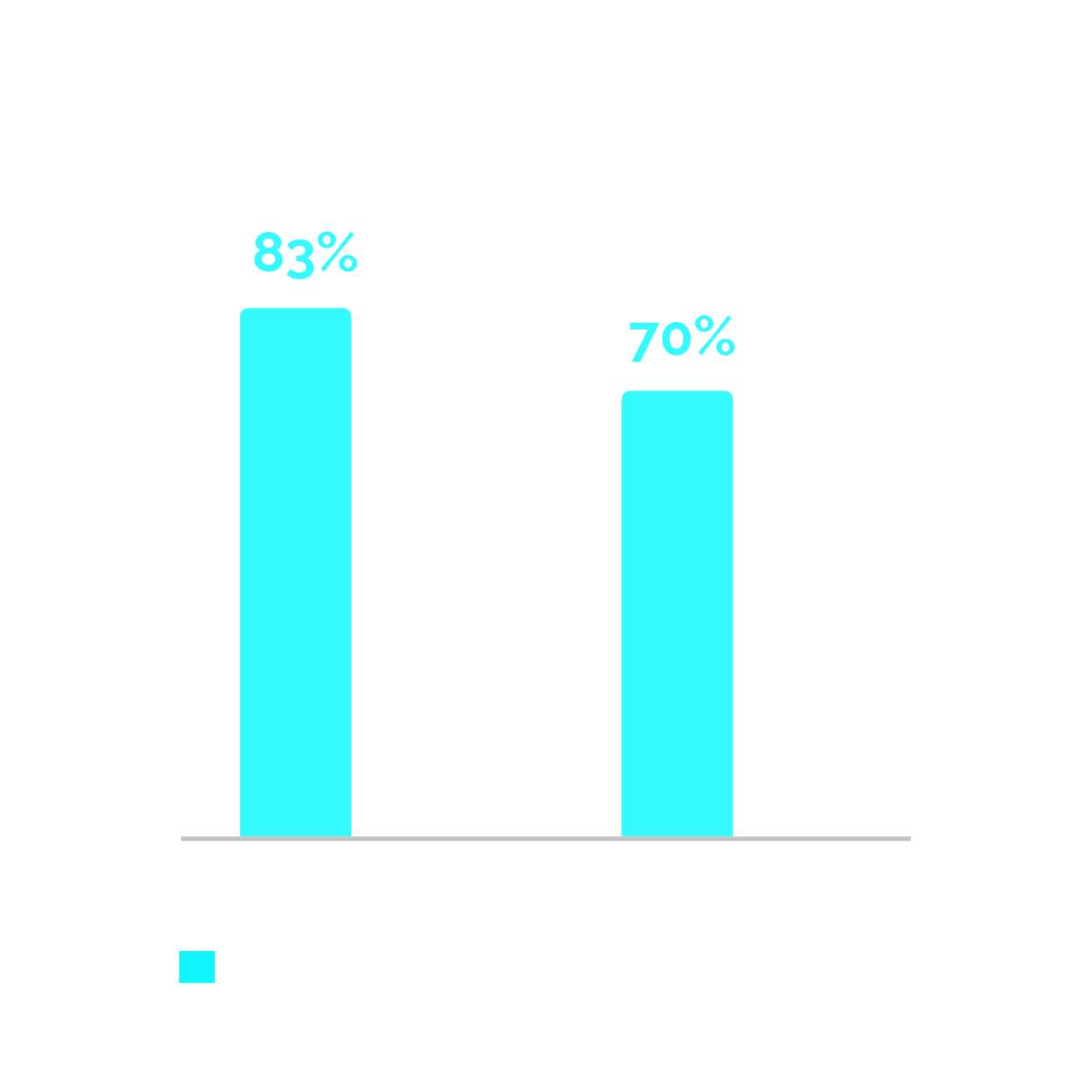
AI-guided dispersion ablation demonstrated high freedom from arrhythmia, improved quality of life, and a favorable safety profile in this challenging population.
Access the full publication
WOMEN WITH AF 

Addressing AF Complexity in Women

Women with AF typically :
  • Present with more symptoms and comorbidities.
  • Have a more extensive atrial substrate.
  • Are less likely to undergo AF ablation and have higher post-ablation AF recurrence levels.
  • Standardized extra-PV ablation strategies have not shown clear benefit over PVI alone in women.
TAILORED-AF SUB-ANALYSIS
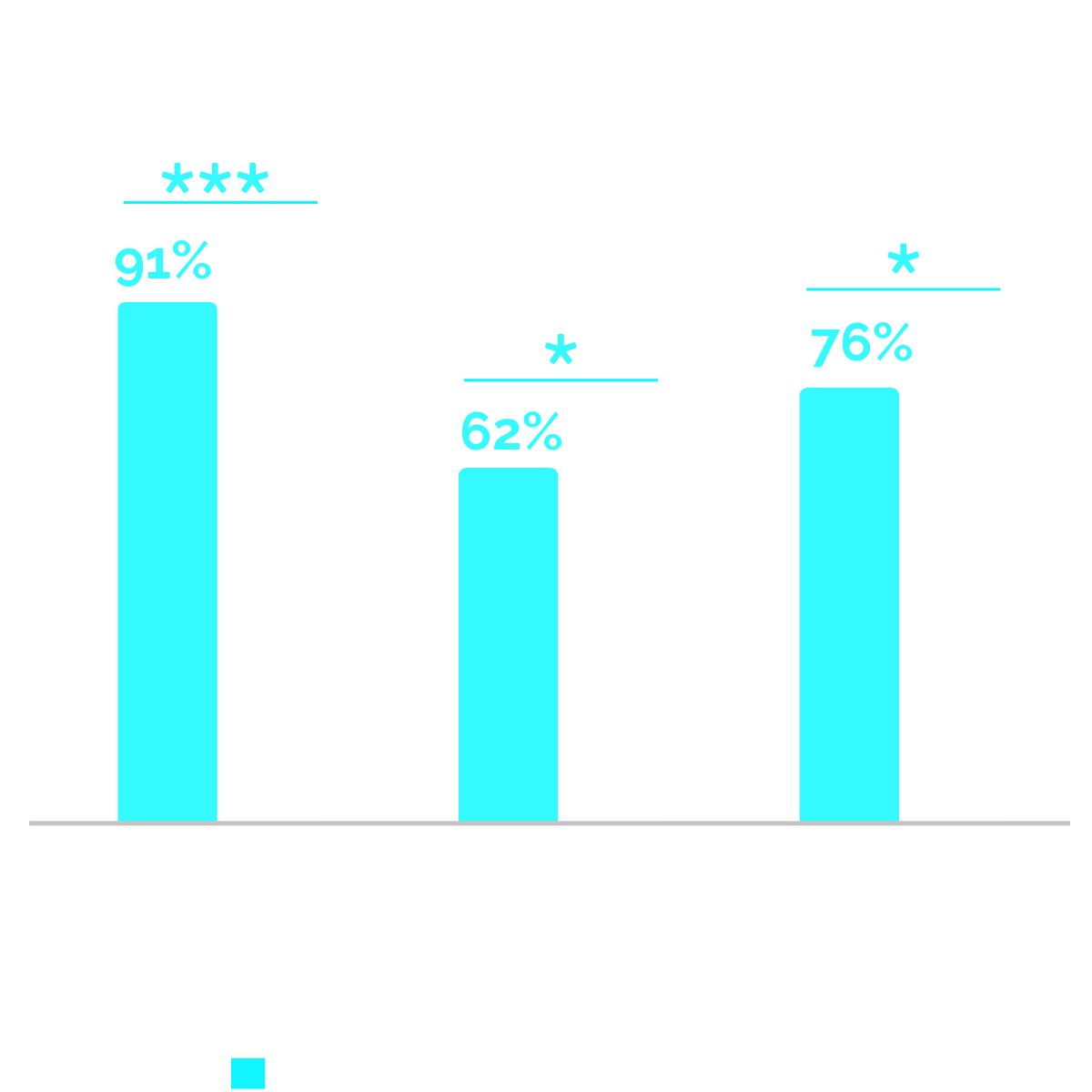
AI-guided tailored ablation significantly increases 12-month arrhythmia-free survival after just one procedure in women with persistent AF.
The findings also suggest a potential reduction in sex‑based disparities in outcomes.
Access the full publication
HEART FAILURE PATIENTS

Heart Failure and AF: A Complex Interaction

AF and heart failure (HF) frequently coexist, creating a complex clinical scenario that accelerates disease progression and worsens outcomes.
  • AF increases mortality and morbidity in HF patients.
  • HF is a leading cause of hospitalization and readmission in older adults.
  • As HF progresses, atrial fibrosis and conduction heterogeneity increase, limiting the effectiveness of anatomical PVI alone.
TAILORED-AF SUB-ANALYSIS
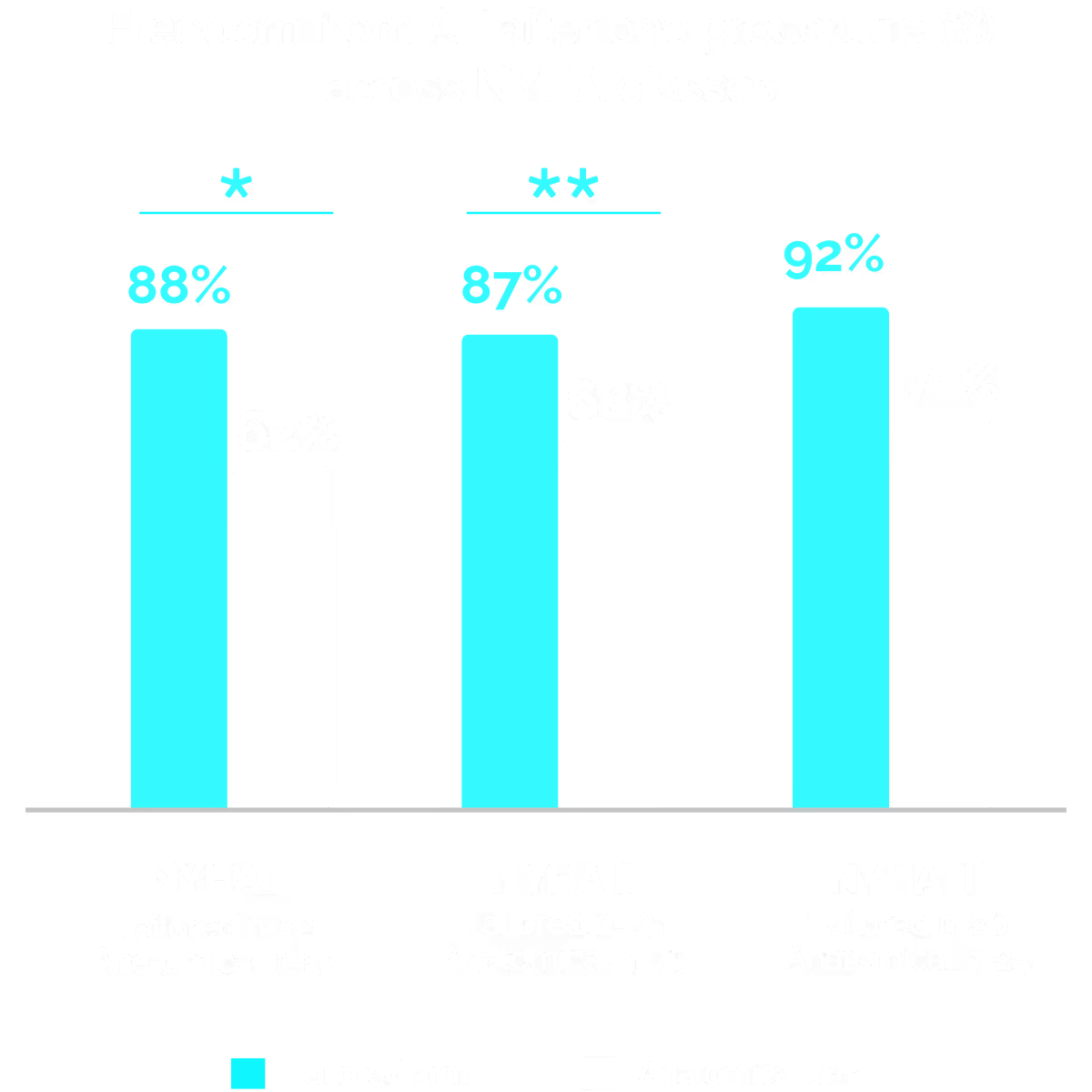
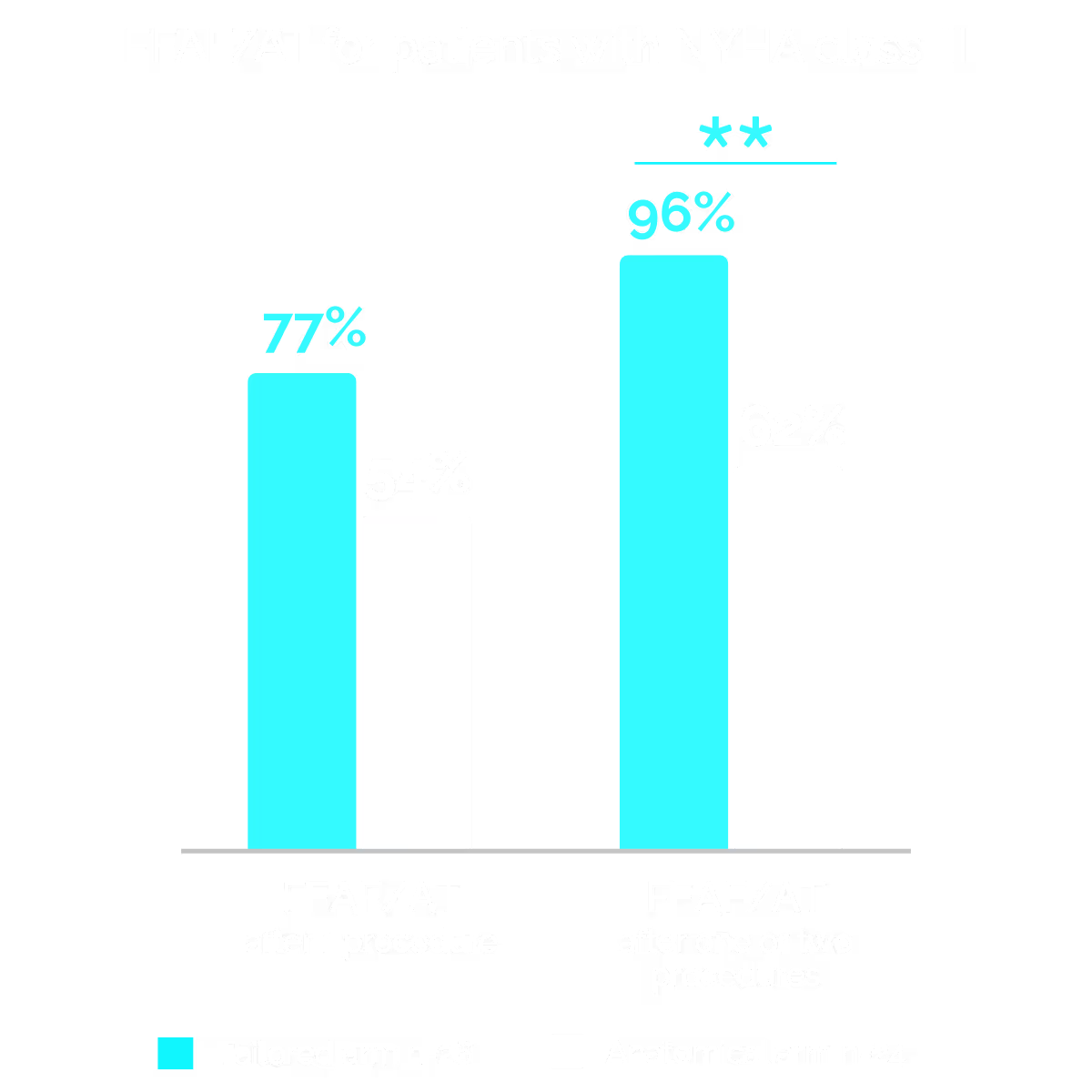
Personalized, AI-guided ablation improves FFAF compared with PVI across all NYHA classes.
Patients with NYHA class III symptoms experienced the greatest benefit, with higher FFAF/AT after one or two procedures.
Access the full publication